
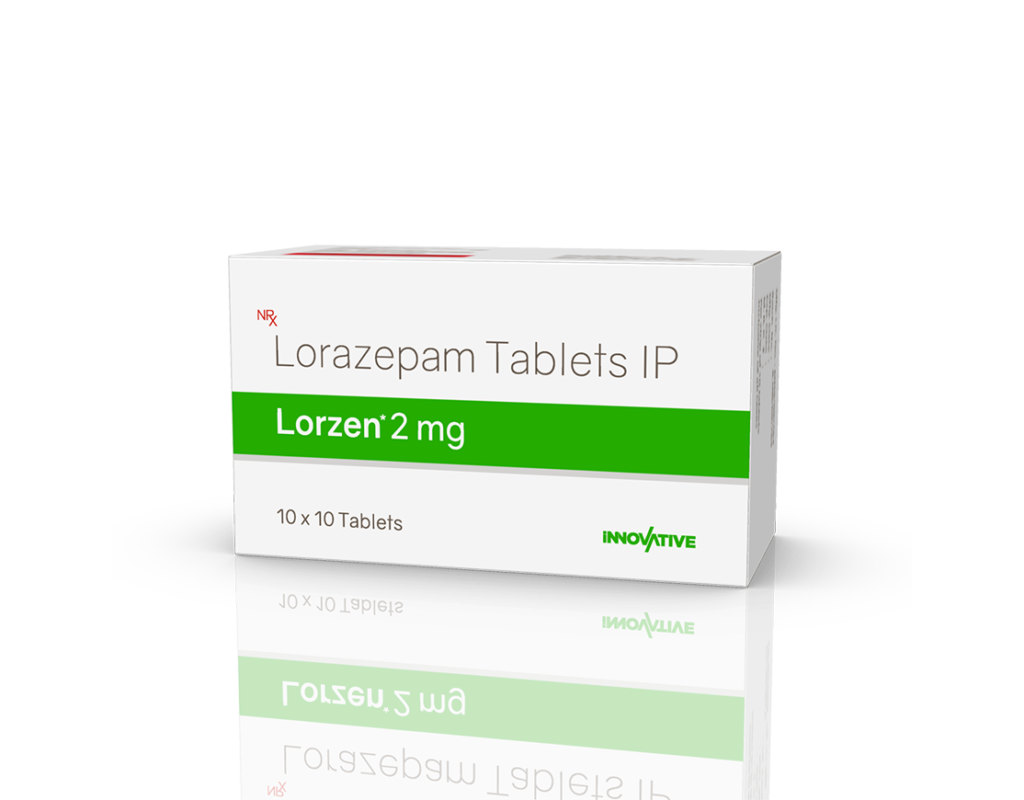
Lorazepam

Price range: £70.00 through £365.00
Lorazepam – Overview
Lorazepam is a prescription benzodiazepine used to treat anxiety disorders, insomnia, and seizures, and to provide sedation before medical procedures. It works by calming brain activity, reducing stress, and promoting relaxation.
Because Lorazepam can cause dependence if misused, it should only be taken under a doctor’s supervision. Common side effects include drowsiness, dizziness, and weakness.
Lorazepam – Overview
Lorazepam is a prescription benzodiazepine medication used to treat anxiety disorders, insomnia, seizures, and to provide sedation before medical procedures. It works by enhancing the effects of gamma-aminobutyric acid (GABA), a natural calming chemical in the brain, which helps reduce excessive nerve activity and promotes relaxation.
Commonly known by its brand name Ativan, Lorazepam belongs to a class of drugs that act as central nervous system depressants. It helps relieve symptoms such as excessive worry, agitation, panic attacks, or restlessness, while also improving sleep and easing tension in patients with acute stress or anxiety.
—
How Lorazepam Works
Lorazepam increases the activity of GABA receptors in the brain, which slows down nerve signals and produces a tranquilizing effect. This action makes it effective for managing anxiety, panic symptoms, and acute agitation. It is also used in hospitals to help with seizure control and sedation during surgeries or procedures.
—
Medical Uses
Anxiety and Panic Disorders
Short-term Treatment of Insomnia
Seizure Management (including status epilepticus)
Preoperative Sedation or Anxiolysis
—
Dosage and Administration
Lorazepam is available in tablet, liquid, and injectable forms. The dosage varies depending on the patient’s condition, age, and response to treatment. It should be taken exactly as prescribed by a healthcare professional. Long-term use is generally discouraged due to the risk of dependence and tolerance.
—
Warnings and Precautions
Lorazepam is a controlled substance (Schedule IV) with a potential for dependence, tolerance, and abuse, especially when used for long periods or in high doses. It should not be combined with alcohol, opioids, or other CNS depressants, as this can lead to respiratory depression or death.
Avoid use if you have:
Severe respiratory problems
Narrow-angle glaucoma
History of substance abuse
Liver disease (consult your doctor)
—
Possible Side Effects
Common side effects include:
Drowsiness or fatigue
Dizziness
Weakness
Blurred vision
Confusion (especially in elderly patients)
Serious side effects may include shallow breathing, memory loss, mood changes, or allergic reactions. Seek medical help immediately if these occur.
—
Use During Pregnancy and Breastfeeding
Lorazepam should not be used during pregnancy unless prescribed by a doctor. It can cause withdrawal symptoms or respiratory problems in newborns. The drug may also pass into breast milk, so breastfeeding while taking Lorazepam is generally not recommended.
—
Storage Information
Store Lorazepam in a cool, dry place, away from heat and moisture. Keep it out of reach of children and never share it with others, even if they have similar symptoms.
—
Disclaimer
This content does not replace medical advice. Always consult your healthcare provider before using Lorazepam or any other prescription medication.
| QUANTITY | 100 Tablets, 300 Tablets, 500 Tablets |
|---|---|
| Milligrams | 1 MG, 2 MG |
1 review for Lorazepam
Add a review
Related products
Anxiety Medications

General Health

General Health
Anxiety Medications

General Health

General Health
General Health

General Health
Stephan Donnelly –
I’ve been struggling with anxiety and doc stopped me complaining about misuse but I didn’t never will I then I found this site and took my chance and placed my order and it arrived the next day. Lorazepam is one of a kind cheers